
Sustainable Adventure & Eco-Experiences
Accommodation
Always On the Ground
Tour Overview
Built for the traveller who wants their trip to leave a lighter footprint and a heavier heart – community kitchens, eco-lodges, and conversations that go deeper than a photo op. It’s Sri Lanka experienced as a living place with living people in it, not a backdrop.
Tour Highlights
Anuradhapura Sacred City Cycling
2,500 years of civilisation by bicycle
Polonnaruwa Gal Vihara
Four Buddhas carved from one granite face
Pigeon Island Marine Snorkel
Reef sharks, turtles, extraordinary clarity
Minneriya Elephant Gathering
Hundreds of wild elephants at the ancient reservoir
Yala Full-Day Safari
Private jeep, specialist tracker, dawn and dusk drives
Galle Fort at Sunset
The rampart walk as the Indian Ocean light changes
Your Route
Negombo, Anuradhapura, Polonnaruwa, Trincomalee, Kandy, Nuwara Eliya, Ella, Yala, Galle, Colombo
Day-by-Day Journey
Arrival - Negombo
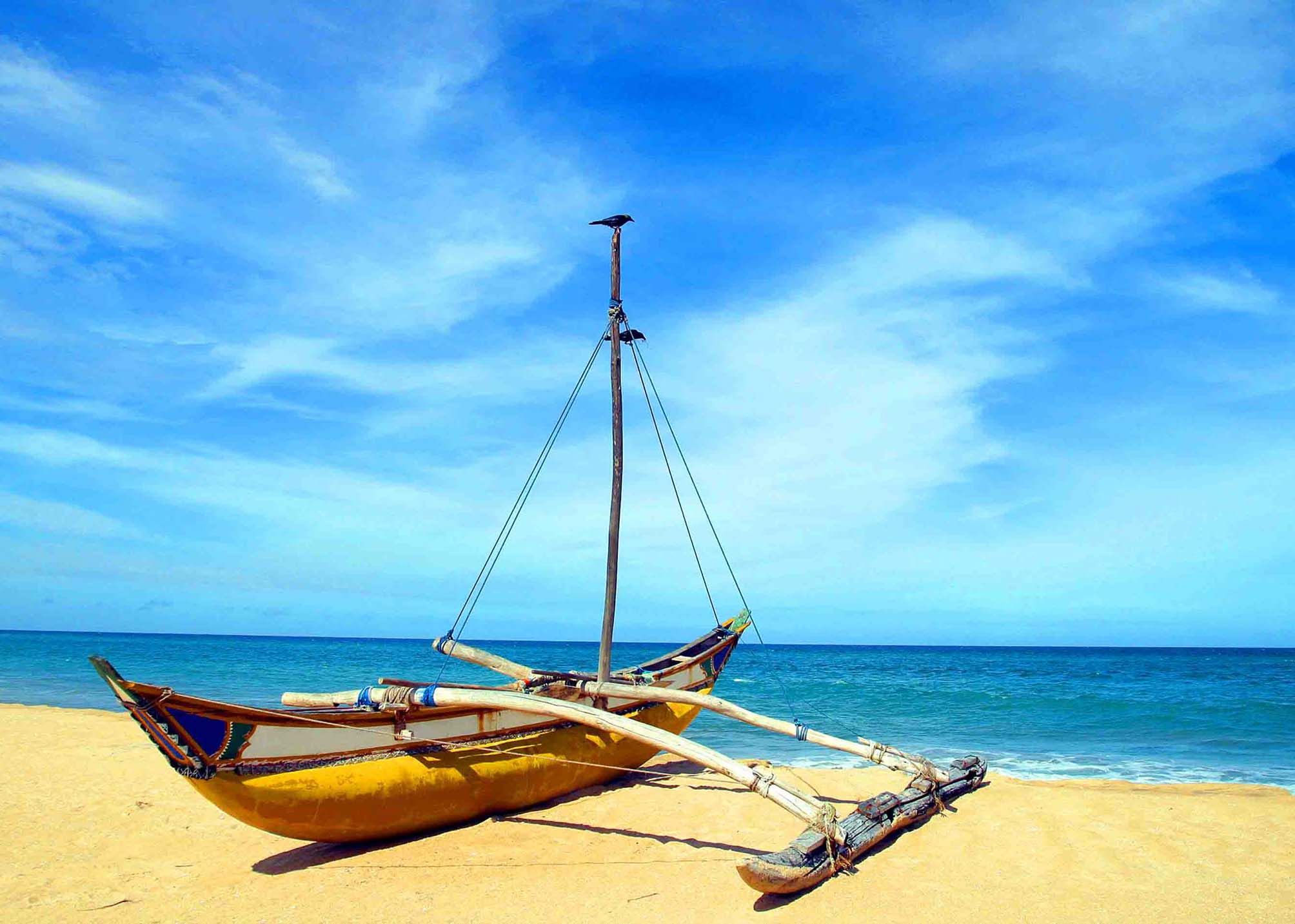
Your Wagon Travels vehicle meets you at the airport for the short transfer to Negombo. This first evening is deliberately unscheduled – the fish market in the afternoon light, a walk along the beach, dinner at a local seafood restaurant where the catch came in this morning. Negombo is an honest, lived-in place and the right way to begin a journey that will take you deep into this island’s most authentic corners.
Negombo - Anuradhapura
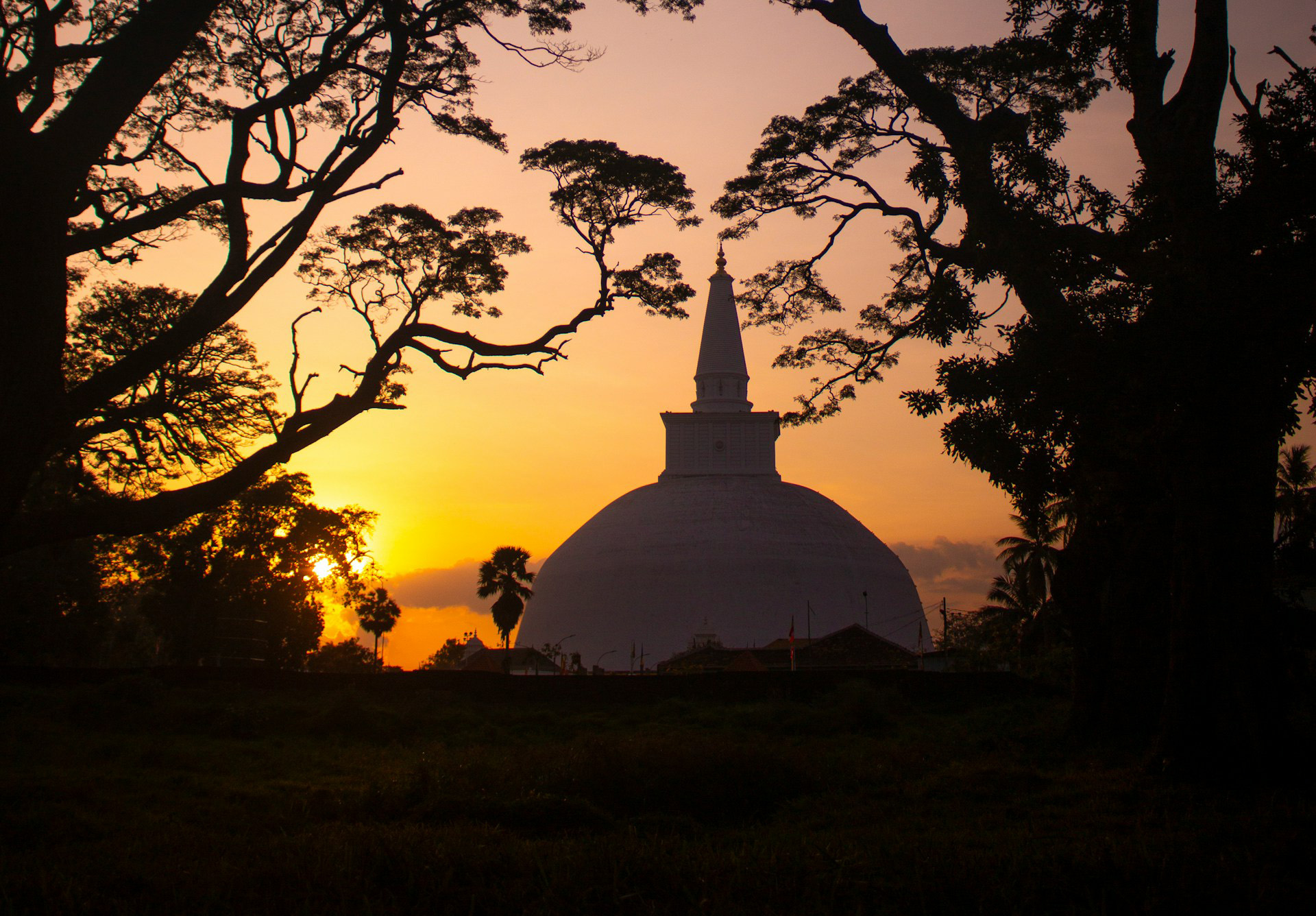
The drive north takes around two and a half hours through the dry plains. Anuradhapura was founded in the fourth century BC and remained a royal capital for over a thousand years – the scale of what was built here is visible the moment you arrive. This afternoon, a bicycle is the right way to move between the dagobas, shrines and ancient reservoirs of the Sacred City. Your stay at Wagon Inns places you within the city itself, managed by the same team behind your tour.
Anuradhapura - Polonnaruwa
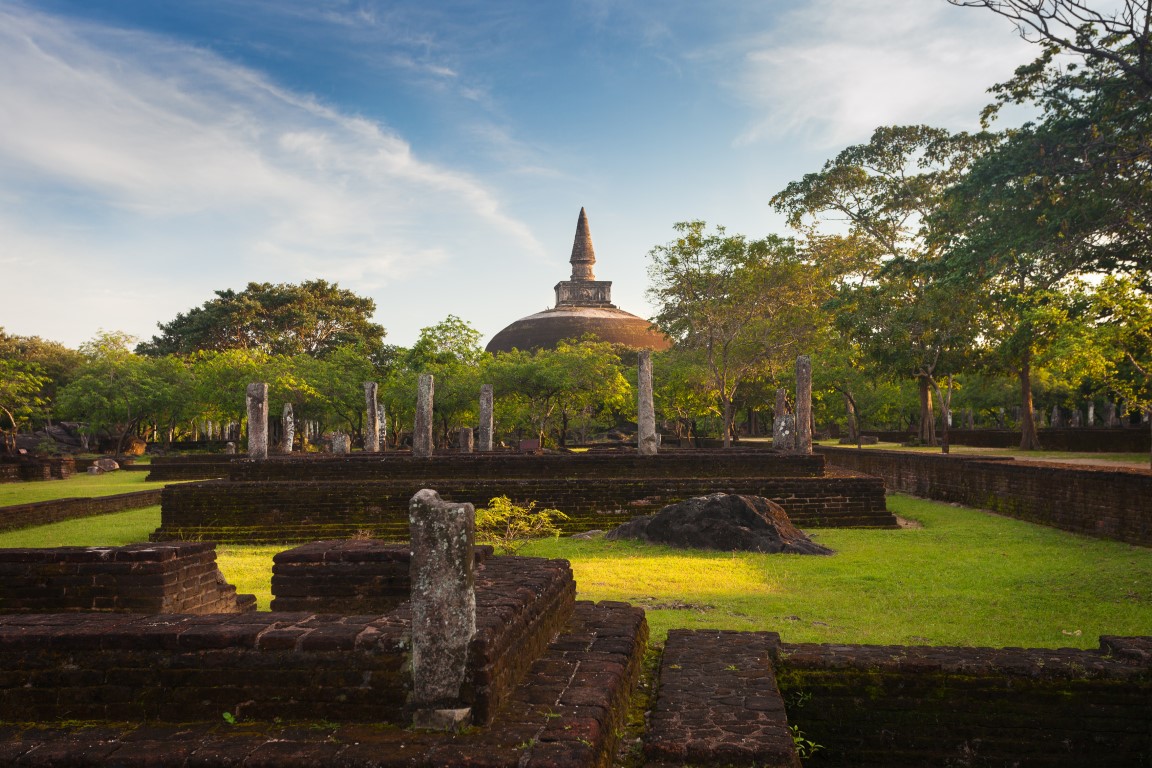
Complete the remaining sites of Anuradhapura’s Sacred City before driving east to Polonnaruwa – Sri Lanka’s medieval capital, better preserved and more navigable than its predecessor. The Sacred Quadrangle, the Royal Palace ruins and the Gal Vihara – where four monumental Buddhas are carved from a single granite face – represent one of the most extraordinary concentrations of ancient religious art in Asia. For Netherlands and Germany heritage travellers, Polonnaruwa is an essential addition to the route.
Polonnaruwa - Trincomalee
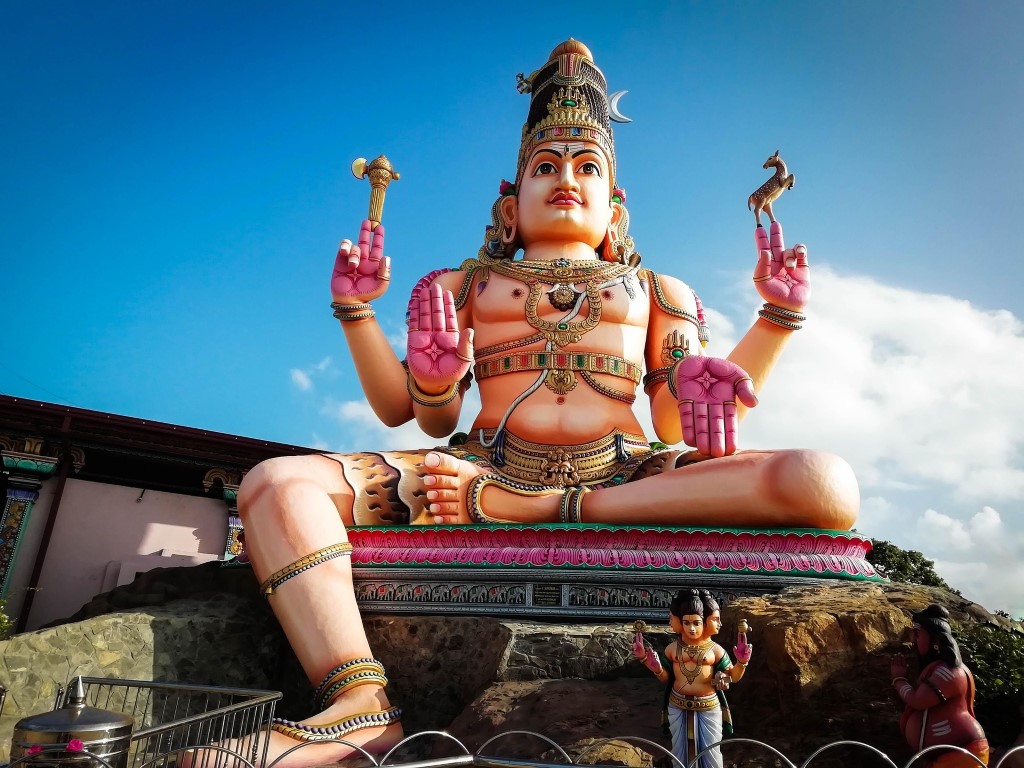
The drive northeast to Trincomalee takes around two and a half hours and is best undertaken between May and September – outside this window, the east coast weather makes the journey less rewarding, and the Minneriya elephant gathering is the recommended seasonal alternative. Trincomalee itself offers one of Asia’s finest natural harbours, the dramatic clifftop Koneswaram Temple above the Indian Ocean, and the pristine beaches of Uppuveli just north of the city. The arrival here, after days in the ancient interior, carries the particular relief of the sea.
Trincomalee
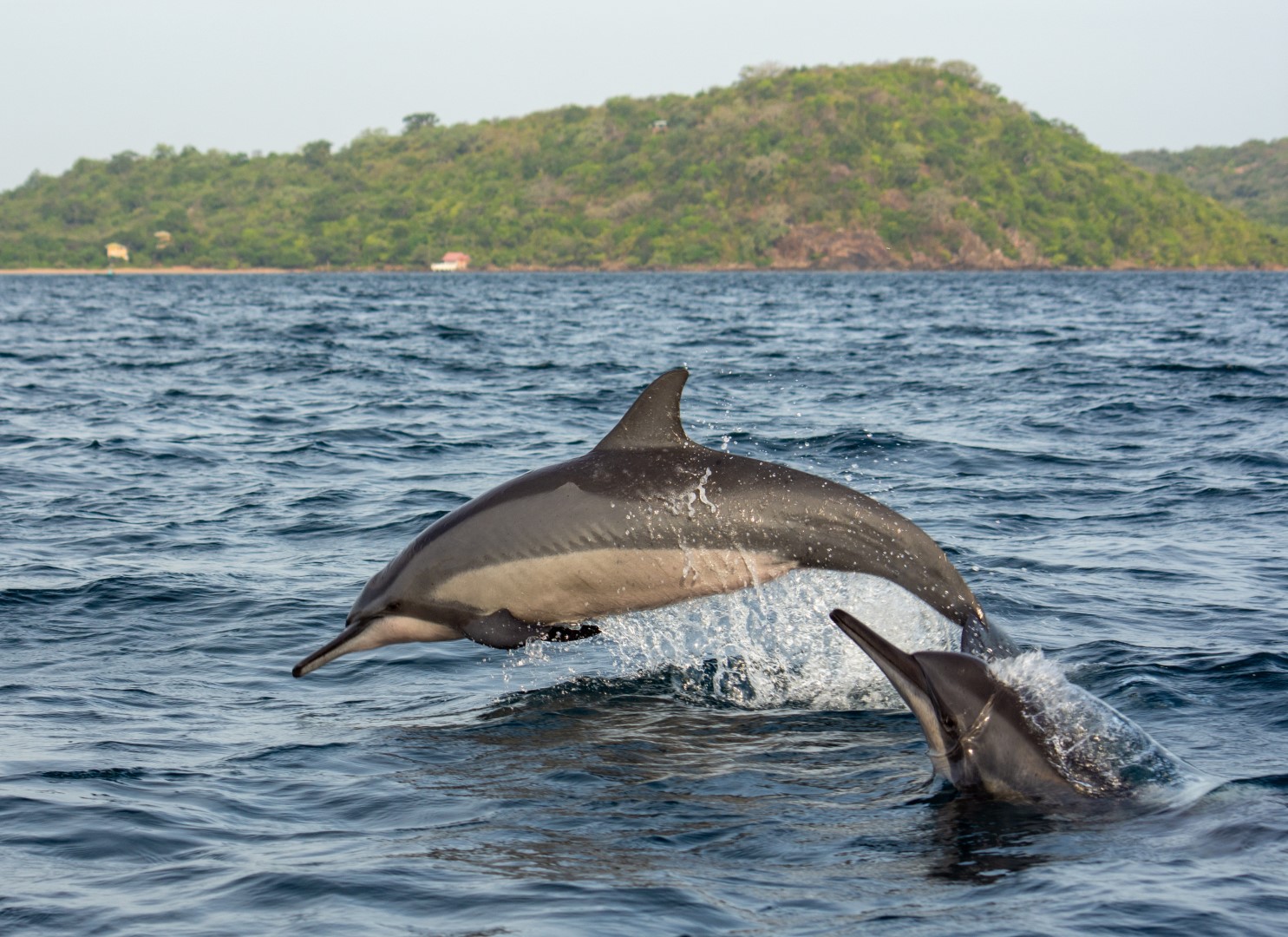
Pigeon Island National Park, just offshore, offers some of the finest snorkelling in Sri Lanka – black-tipped reef sharks, hawksbill turtles and coral formations in water of extraordinary clarity. The afternoon is given to the community fishing village just outside Trincomalee – an unhurried engagement with local life that Netherlands travellers in particular find one of the most genuinely memorable experiences of the journey. Whale and dolphin watching is available seasonally from May to September in these same waters.
Trincomalee - Kandy
The long inland drive via Habarana takes three and a half to four hours and passes through the heart of the Cultural Triangle. Between July and October, a detour to Minneriya or Kaudulla National Park for the elephant gathering is one of the most extraordinary wildlife encounters in Asia – hundreds of wild elephants converging on the ancient reservoir as its water levels drop. Outside season, Kaudulla offers reliable year-round sightings. This is a drive worth making slowly.
Kandy
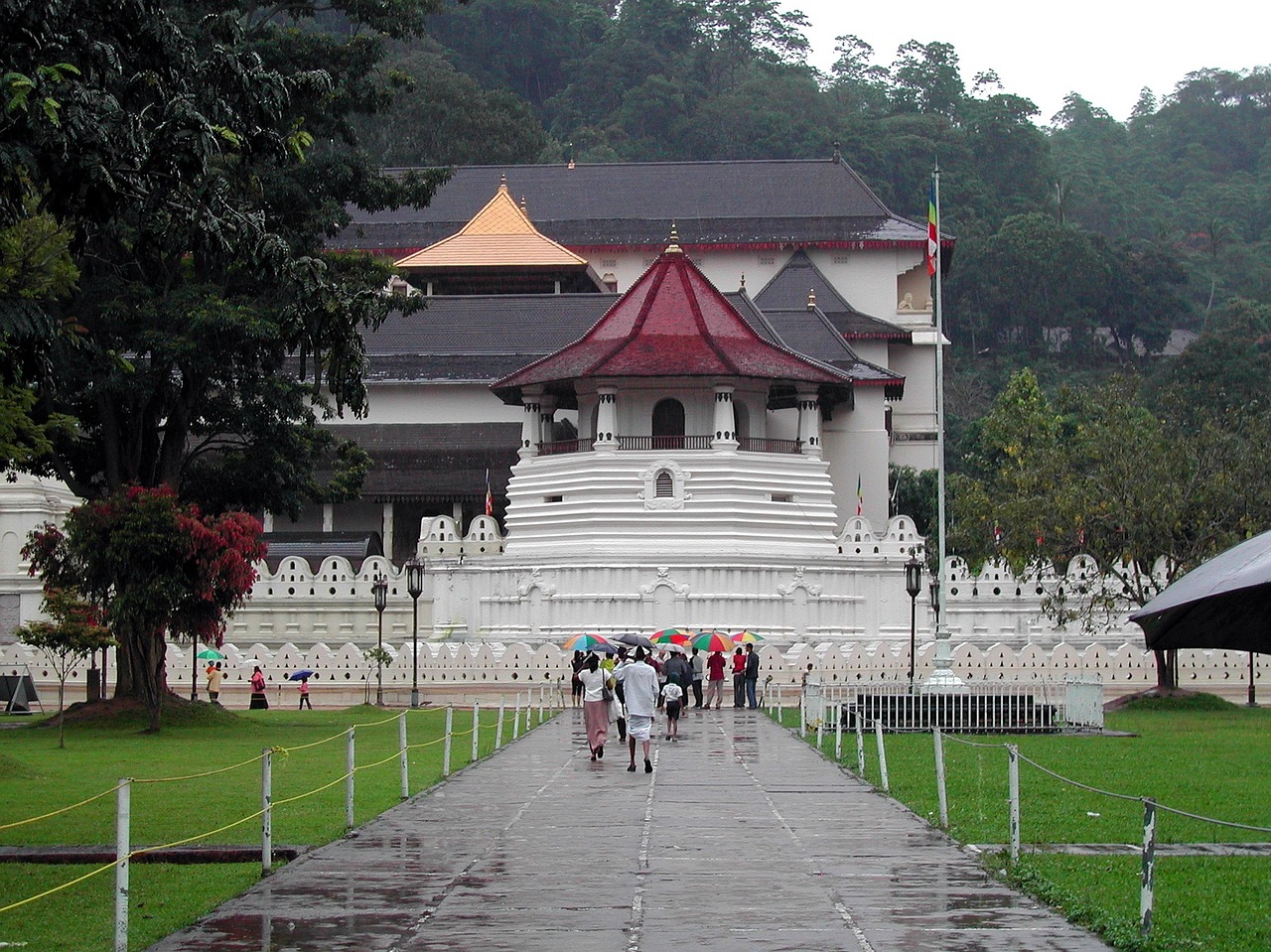
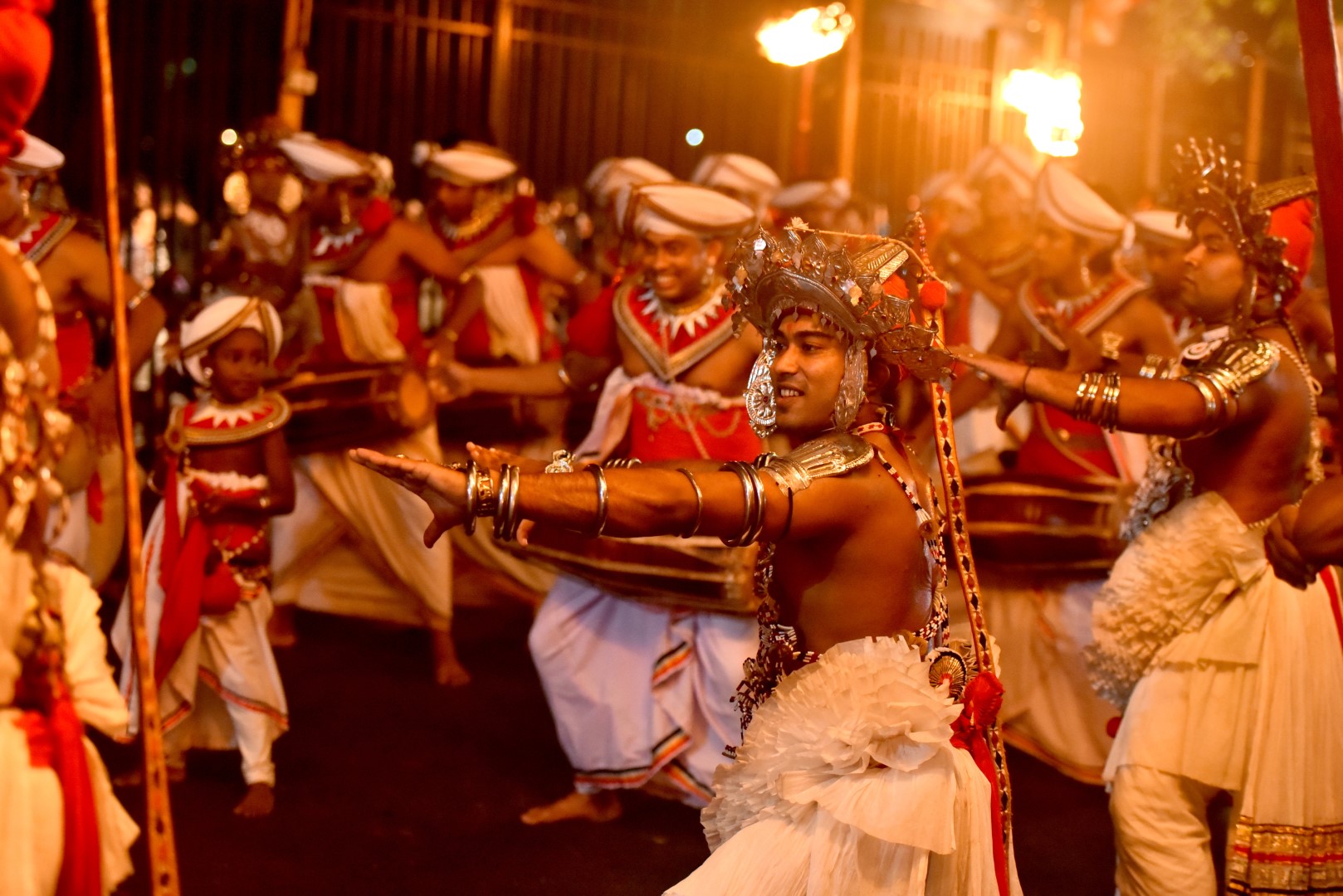
The Temple of the Sacred Tooth Relic and its puja ceremonies anchor the morning. The spice garden at Matale – on the route from the north, requiring no backtrack – is a sensory and educational stop that works particularly well for eco-conscious travellers. The Udawatta Kele forest sanctuary above the lake offers a short nature walk directly within the city. The Victoria Reservoir eco-walk in the afternoon provides an unusual counterpoint to Kandy’s heritage sites.
Kandy - Nuwara Eliya
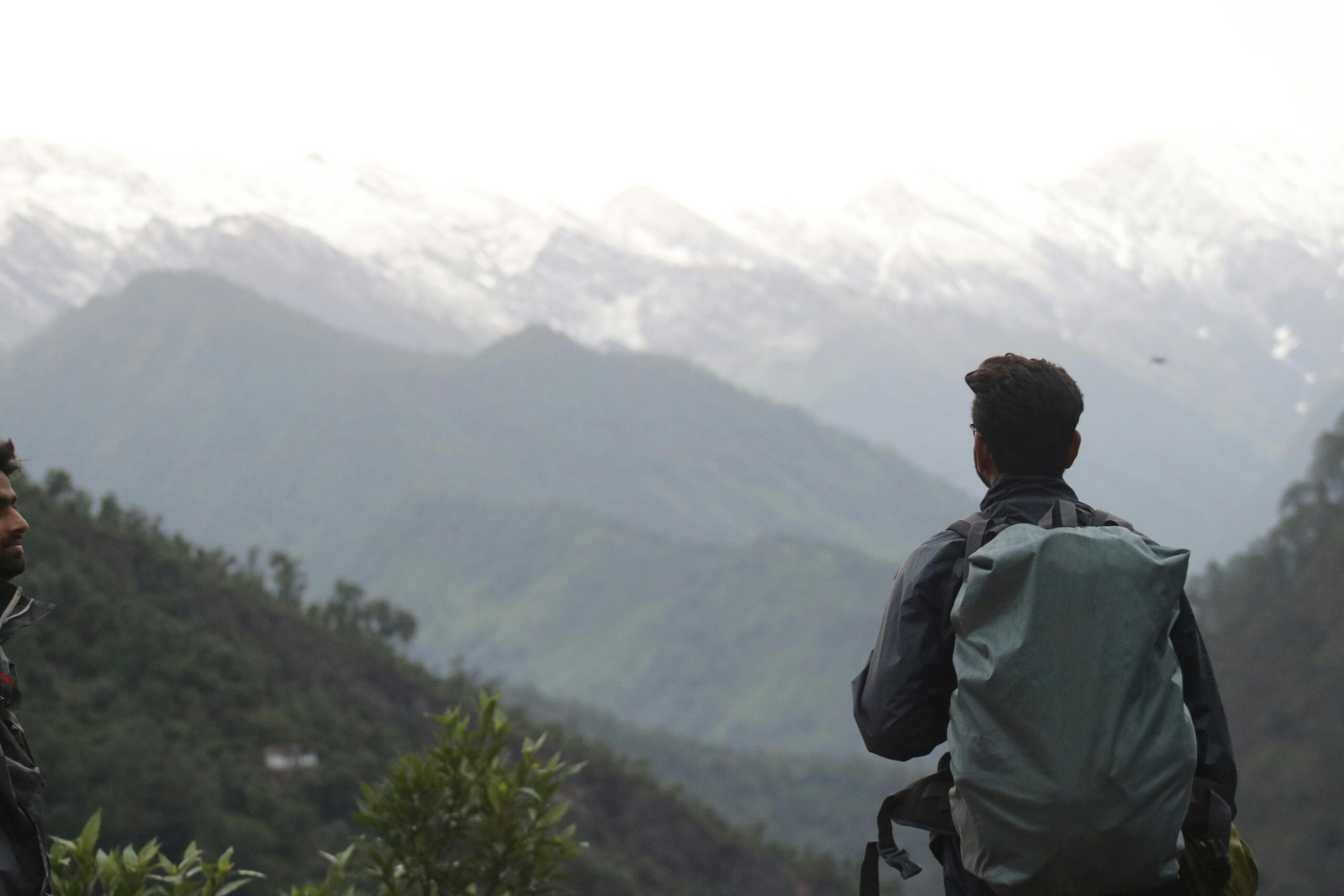
The mountain drive via Ramboda takes about two and a half hours through tea estate country that grows more dramatic the higher the road climbs. A working tea factory tour – leaf to cup, from the plucking rows to the tasting room – gives genuine substance to the landscape you’ve been driving through. Tea Trails private bungalows on a working estate above Castlereagh Reservoir are the premium eco-stay reference for this night. Nuwara Eliya’s Victorian colonial architecture adds its own particular atmosphere to the arrival.
Nuwara Eliya - Ella (Scenic Train)
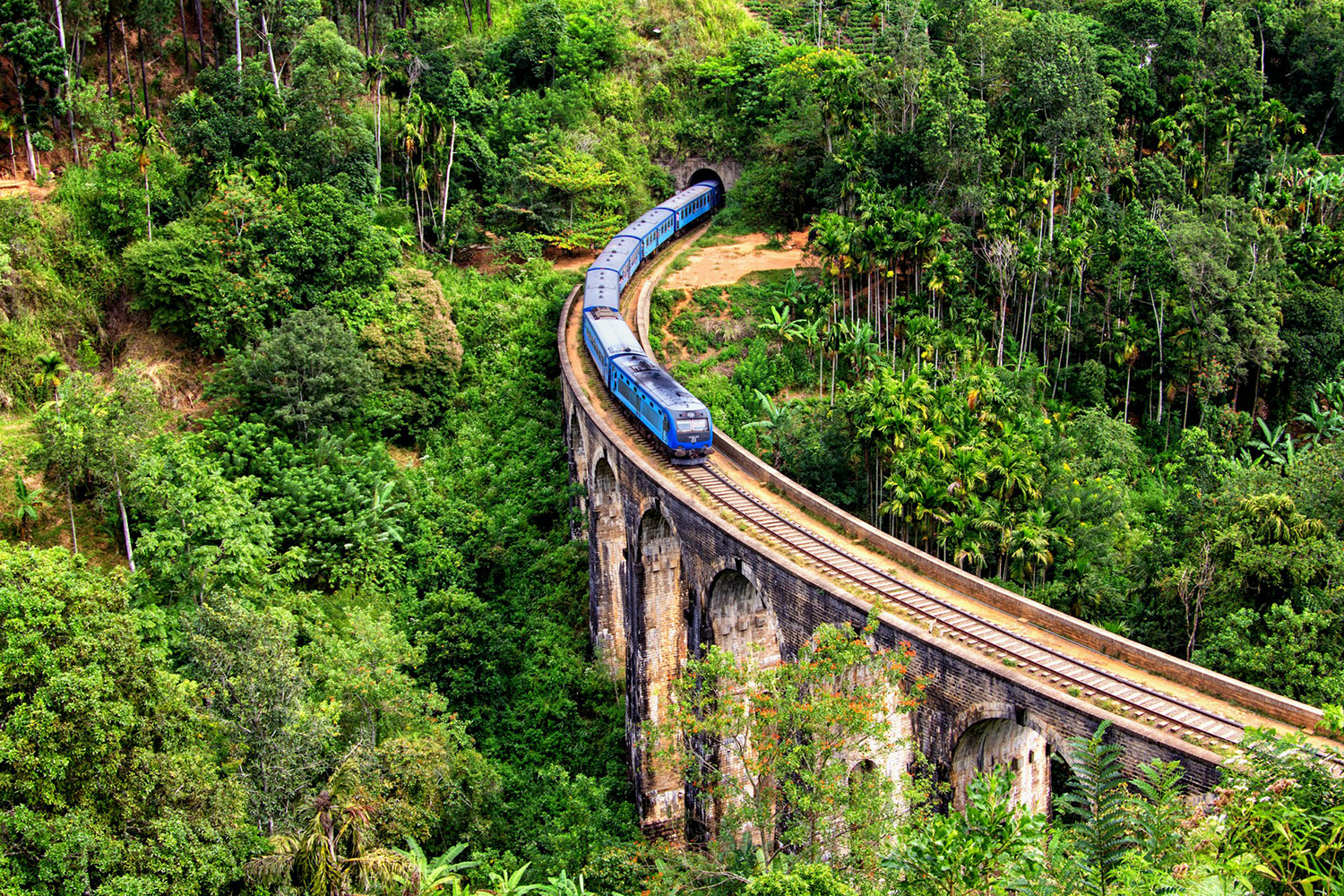
The train from Nanu Oya to Ella is non-negotiable on an eco-conscious journey – take the train, not a private transfer. Book the observation carriage well in advance. Three and a half hours of highland landscape, cloud forest and tea-covered valleys, moving at the kind of pace that asks you to put the phone away and simply look. It is one of the genuinely great slow-travel experiences left in Asia.
Ella
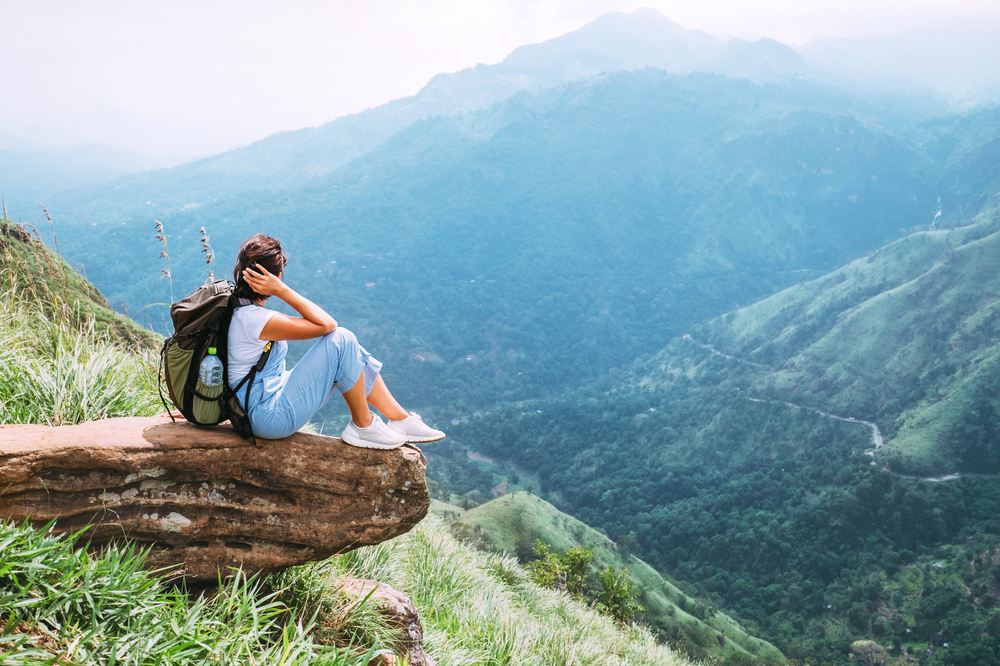
The Nine Arch Bridge in the morning. Little Adam’s Peak for the tea estate trail and the Ella Gap view. And, for this tour, an optional visit to a local organic farm or herbal garden – an addition that connects the community tourism thread running through the journey with the highland landscape in a tangible and genuinely interesting way. The afternoon is Ella’s village strip: independent cafés, small producers, the particular creative energy of a place that travellers have discovered but not yet overwhelmed.
Ella - Yala
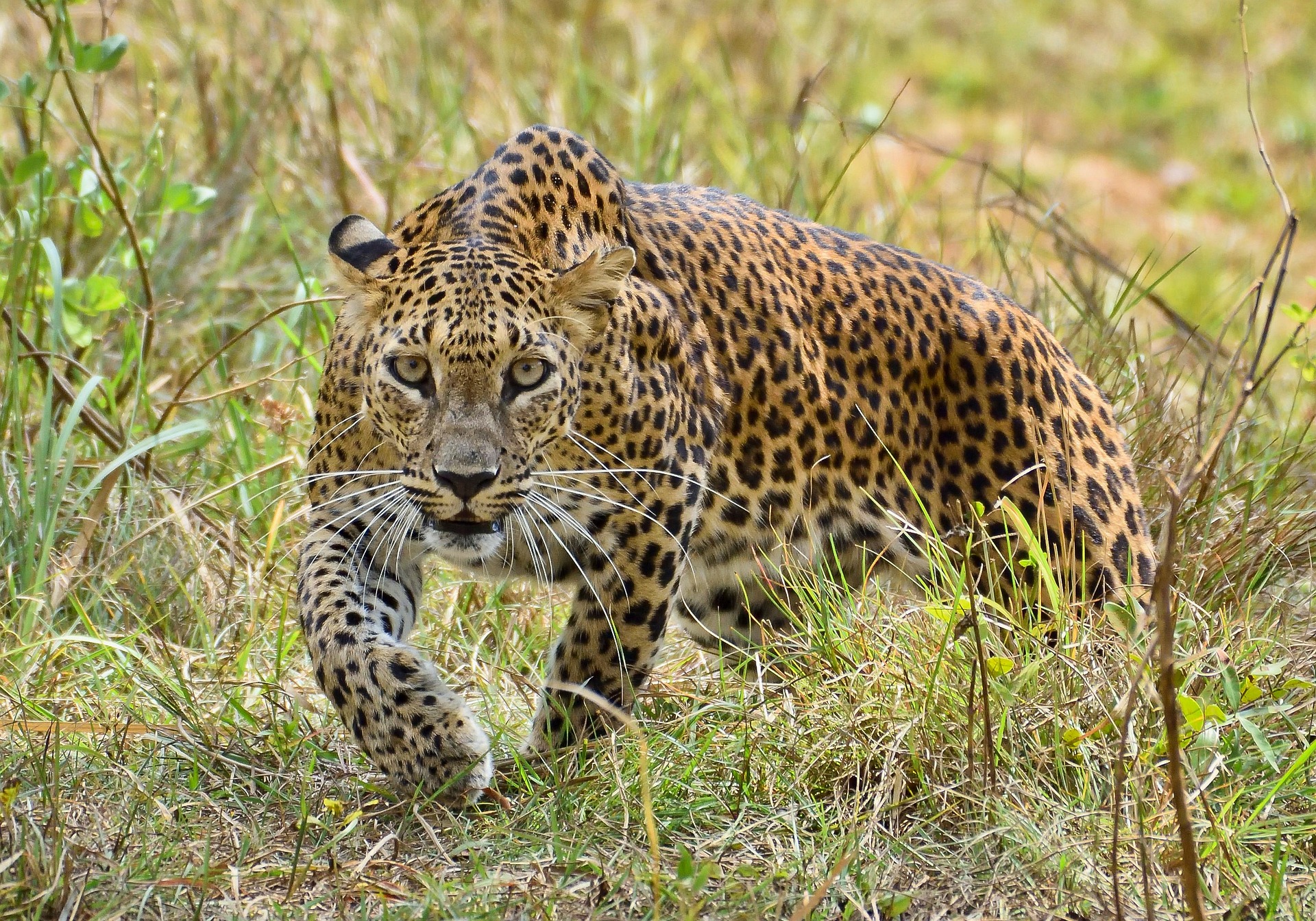
The drive via Wellawaya takes three to three and a half hours and charts the transition from cool green highlands to the flat dry scrubland of the south – one of the most satisfying landscape changes on the island. The late afternoon arrival at the Yala buffer zone gives time to settle in before the early start tomorrow. Block 1’s leopard territory begins just beyond the lodge perimeter.
Yala - Full Safari Day
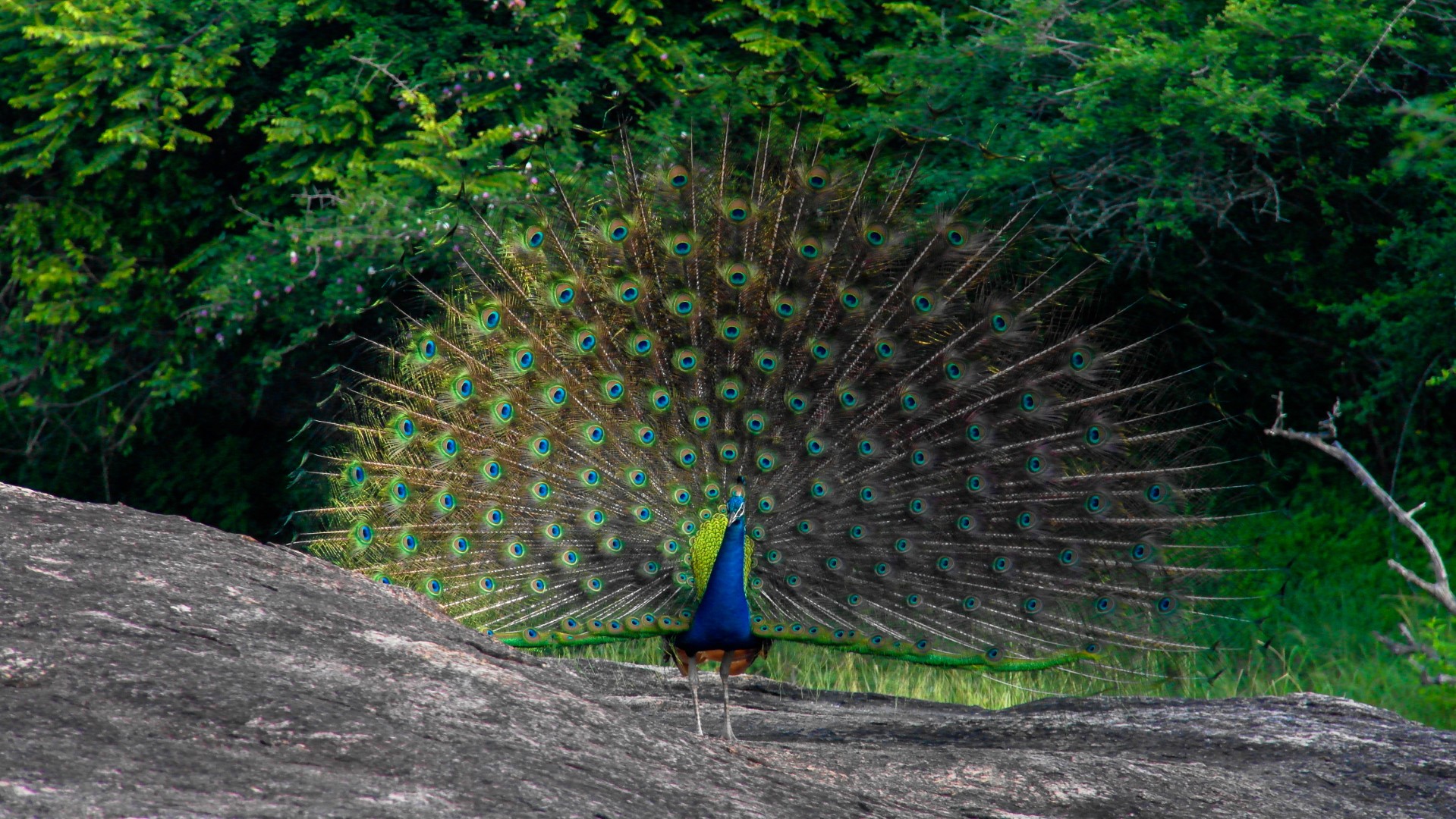
Two drives: the first at 5:30 in the morning, entering with the light, and a second in the late afternoon as the golden hour settles over the scrub. A specialist tracker guide and a private jeep transform the experience entirely – you stay at sightings as long as the animals allow, you move at the pace of the wildlife rather than a group schedule, and the tracker’s knowledge of individual leopard territories is the difference between a good safari and a genuinely extraordinary one. Beyond the leopard: wild elephants, sloth bears, mugger crocodiles and the birdlife of the coastal lagoon.
Yala - Galle
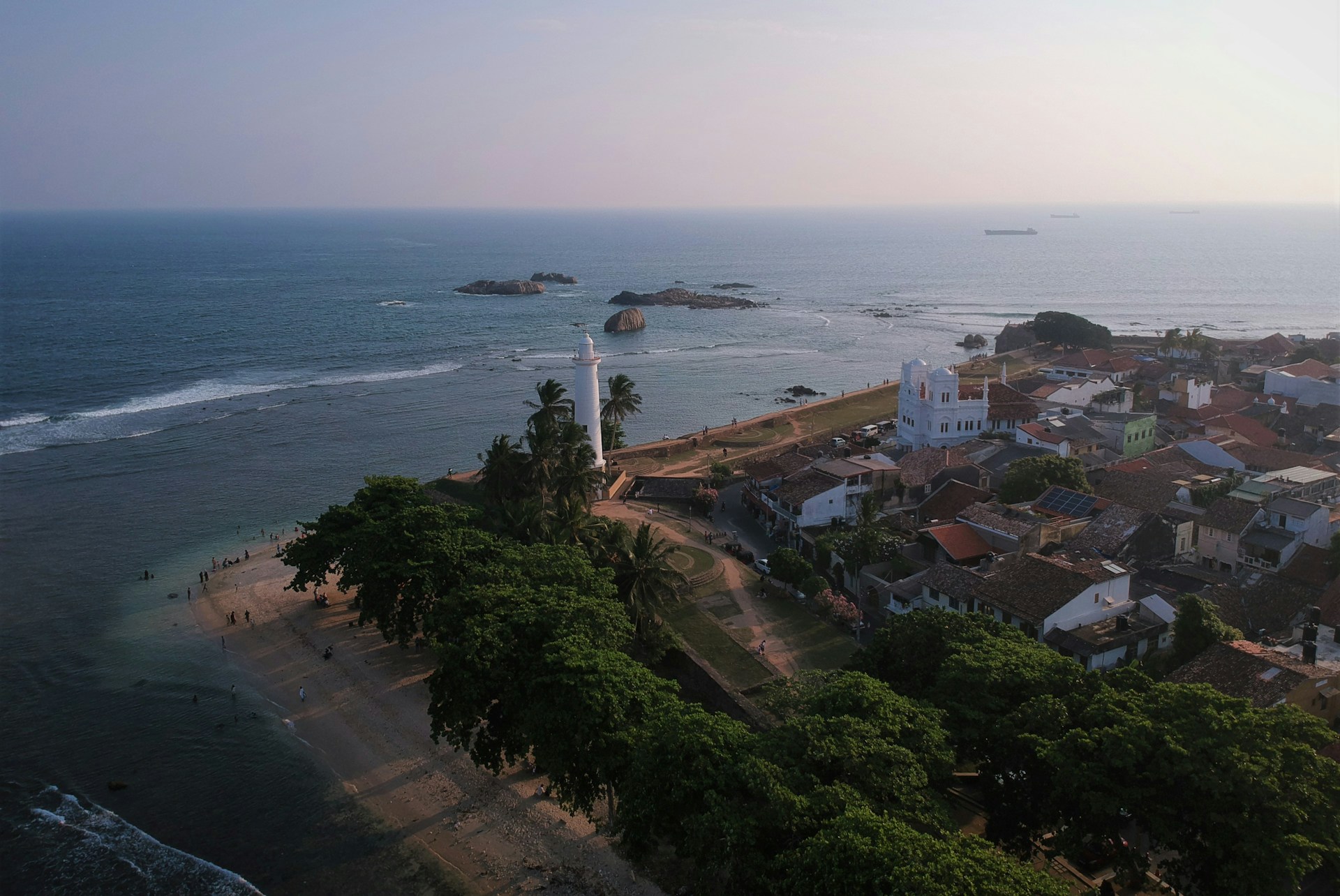
The coastal drive west takes two to two and a half hours, with an optional thirty-minute stop at Bundala National Park – a Ramsar-listed wetland that is one of the finest flamingo and waterbird sites in Sri Lanka and particularly relevant for Netherlands eco-travellers with a birdwatching interest. Galle Fort arrives at sunset, and if you time the arrival right the rampart walk in that last light is one of the island’s most memorable moments.
Galle - Colombo - Departure
A final unhurried morning in Galle Fort – the boutique lanes, the local market, the Dutch Reformed Church, the ramparts one more time. Then the Southern Expressway north to Colombo and your departure transfer to Bandaranaike International Airport.
Accommodation Highlights
Negombo
Boutique guesthouse / Jetwing Blue
Anuradhapura
Wagon Inns (preferred) / Ulagalla Resort
Polonnaruwa
Deer Park / Village Hideaway
Trincomalee
Jungle Beach by Uga / Palm Beach (seasonal)
Kandy
The Kandy House
Nuwara Eliya
Tea Trails / Heritance Tea Factory
Ella
98 Acres
Yala
Chena Huts / Cinnamon Wild
Galle
Fort Bazaar or Amangalla
Suggested stays — final accommodation confirmed based on availability and your preferences.
What's Included
- All private transfers using the Wagon Travels fleet
- Airport pickup and departure drop-off
- Anuradhapura guided heritage day by bicycle
- Polonnaruwa guided heritage visit
- Trincomalee snorkelling at Pigeon Island (seasonal, May – September)
- Scenic train Nanu Oya to Ella (reserved seats)
- Spice garden visit, Matale
- Two private jeep safari drives in Yala Block 1 with wildlife naturalist
- Guided Galle Fort heritage walk
- 13 nights eco-lodge and boutique accommodation as per Suggested Stays
- Daily breakfast at all properties
- 24/7 on-ground Wagon Travels support
Not Included
- International flights
- Travel insurance
- Lunches and dinners
- National park entrance fees (Pigeon Island, Yala)
- Whale watching boat fee
- Optional Minneriya/Kaudulla elephant gathering safari entry fee
- Personal spending and tipping
Private Tour
Sustainable Adventure & Eco-Experiences
Duration
14 Days
Nights
13 Nights
Best For
Netherlands · Germany · Scandinavia
Pace
Active - eco-focused, community engagement
Tour Type
Eco-lodges · Community Tourism · Soft Adventure
All journeys are private, fully customisable, and supported by our Sri Lanka-based team.
Why Wagon Travels?
- Your own private vehicle throughout
- Sri Lanka-based team, 24/7
- Wagon Inns in Anuradhapura
- Fully tailor-made by default
Don't see your journey yet?
We'll build it.
If none of our listed tours quite match what you have in mind, you’re in the right place. Bring us your dates, your interests and your group — and we’ll design a journey from scratch.